
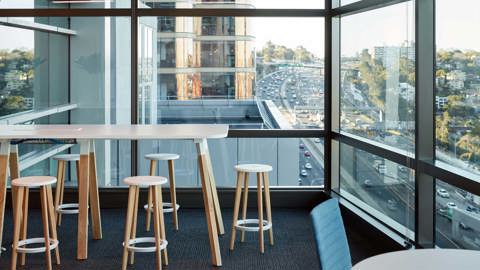
As fuel pressure pushes work from home back into the headlines, many Australian businesses are being pulled into a familiar debate: should people stay home, or should leaders hold the line on office attendance?
It's the wrong question.
The current fuel disruption is real. Australia has seen shipment cancellations, local shortages and rising prices, while government responses have focused on protecting supply, easing pressure in regional markets and discouraging panic buying. At the same time, business leaders have pushed back on any suggestion of a blanket return to COVID-style work patterns. Both reactions are understandable. Neither gives most organisations a practical answer.
For employers, this moment is less about ideology and more about continuity.
A temporary work from home setting may be sensible for some teams. For others, the better response may be staggered hours, more flexible attendance expectations, increased use of public transport, or simply staying the course. The right answer depends on your people, your operations and how your workplace is designed to perform.
That is the real leadership task.
Five questions to ask before changing your workplace settings
1. Which roles genuinely need to be on site?
In most businesses, the answer is not “everyone” or “no one”. Some roles depend on in-person collaboration, customer interaction, specialist equipment or operational oversight. Others can shift temporarily with limited disruption. A sensible response starts with role clarity, not broad assumptions.
2. How exposed is your workforce to car-based commuting?
The impact of fuel disruption is not evenly distributed. For some employees, public transport is a viable alternative. For others, particularly in outer-metro or regional areas, driving is the only practical option. The best workplace decisions reflect actual commute patterns, not just office policy.
3. Would temporary WFH improve resilience - or reduce effectiveness?
Remote work can ease commuting pressure and help employees manage rising costs. But in some teams it can also slow decisions, weaken coordination or affect service delivery. Temporary flexibility should be judged on business outcomes, not on whether it sounds progressive or decisive.
4. Is your office ready for more intentional use?
This is where workplace strategy matters. If people attend less often but more deliberately, the office needs to support the kinds of work best done together: collaboration, project work, mentoring, client interaction and culture-building. Global workplace research continues to show that employees will come in when the office experience feels worthwhile and supports how they actually work.
5. What message are you sending your people?
In uncertain moments, clarity matters more than slogans. Employees can usually adapt to temporary changes if the rationale is clear and the settings feel fair. Mixed signals, on the other hand, create confusion. The goal is not to relitigate the entire return-to-office debate. It is to respond to a short-term disruption with a measured, business-appropriate plan.
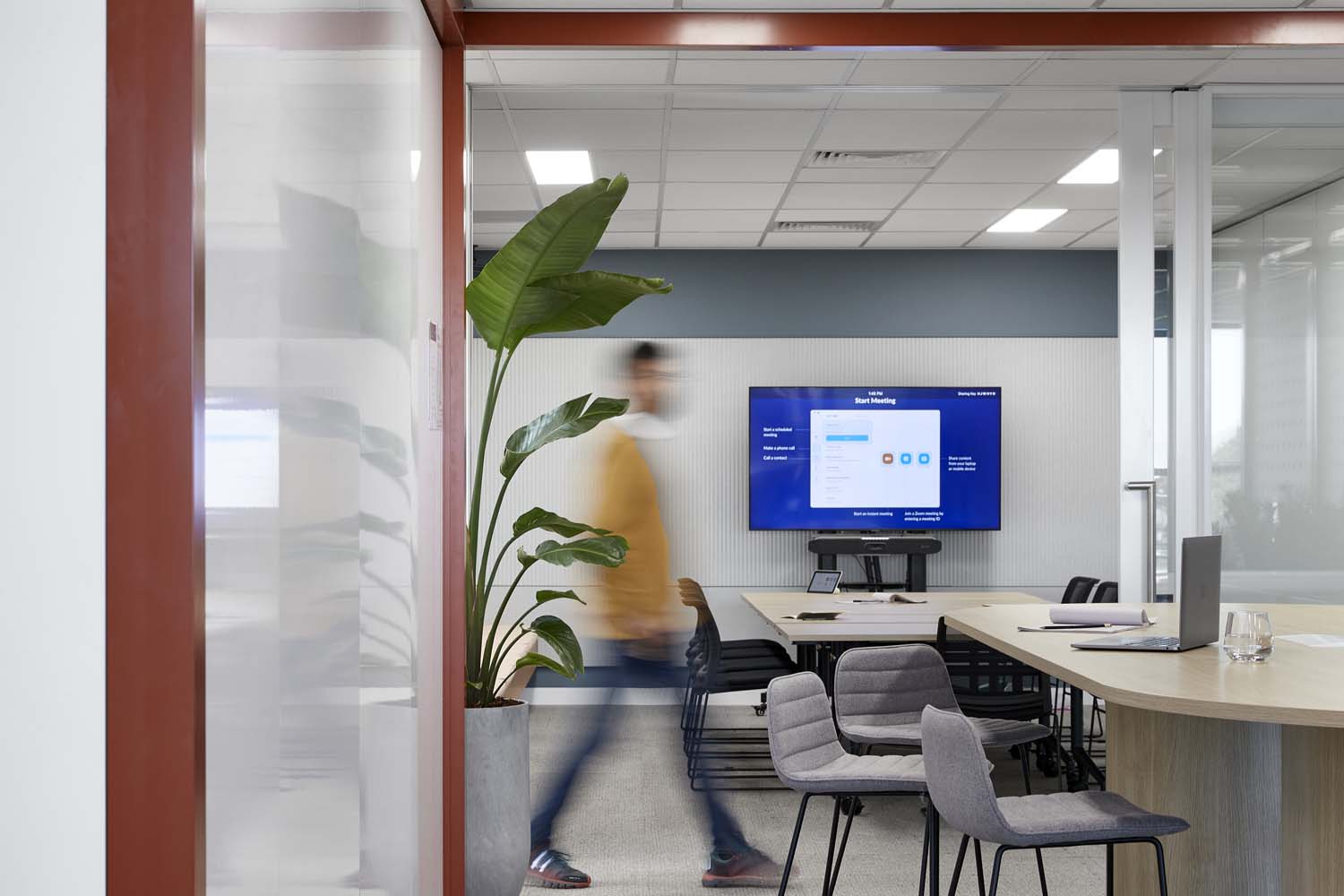
What this moment reveals about the workplace
Fuel disruption is a reminder that the best workplace strategies are resilient ones.
They do not rely on a single mode of working. They do not assume commuting is always frictionless. And they do not treat attendance as a proxy for performance.
Instead, they recognise that businesses need options.
For some organisations, that may mean temporary WFH for selected teams. For others, it may mean better scheduling, greater flexibility around start and finish times, or redesigning the office so in-person days are more valuable when they happen. It may also mean looking harder at workplace location, amenity and how space is used across the week.
In other words, this is not just a policy conversation. It is a workplace design and operational readiness conversation.
The organisations that navigate disruptions best are usually the ones that have already done the work: understanding how their people commute, which activities benefit most from being in person, and what kind of environment supports those moments well.
That is the opportunity in the current debate.
Not to pick a side in another work from home argument, but to build a workplace model that can flex when conditions change - without losing momentum, culture or performance.
There is no one-size-fits-all answer. Businesses should look at role requirements, employee commute patterns, access to public transport and how essential in-person work is before deciding on any temporary change.
They should assess employee commute patterns, workplace occupancy, business continuity needs, team coordination and whether the workplace is set up to support more intentional in-person time.
Not necessarily. The right response depends on your workforce, commute patterns, operational needs and whether temporary flexibility would improve continuity or create new challenges.
